Expert interior architecture and space planning for Mumbai residential projects. 3D visualisations, measured floor plans, elevation drawings, material boards, and a fixed-price scope — all finalised before a single nail goes in. LS Raheja-trained design rigour meets ground-level execution wisdom.
Four principles that make our interior architecture and space planning different from designers who present beautiful renders that fall apart in execution.
Bhavna Gangani is trained at LS Raheja School of Architecture — one of India's premier architecture programmes. This means your space planning is informed by genuine architectural principles: structural logic, load-bearing constraints, building regulations, and proportion — not just aesthetics.
The most expensive interior design mistakes happen when structural decisions are made during execution — walls demolished and rebuilt, plumbing relocated twice, layouts changed mid-floor. Our design process resolves all these decisions on paper, in 3D, and with a fixed-price BOQ before a single wall is touched.
Great space planning for a Mumbai flat considers the number of residents, work-from-home requirements, natural light paths, ventilation, traffic flow, storage volumes, and future flexibility. We plan for your actual lifestyle — not a generic nuclear family assumption that doesn't match how most Mumbai households actually live.
Mechanical, electrical, and plumbing layouts are planned at the design stage — not handed to a contractor to figure out on site. Electrical points are positioned in the architectural drawings. Plumbing runs are coordinated with the tile and floor plan. This prevents the most common and costly execution surprises in Mumbai home projects.
Projects where thoughtful space planning transformed a raw possession flat into a home with logic, flow, and character.
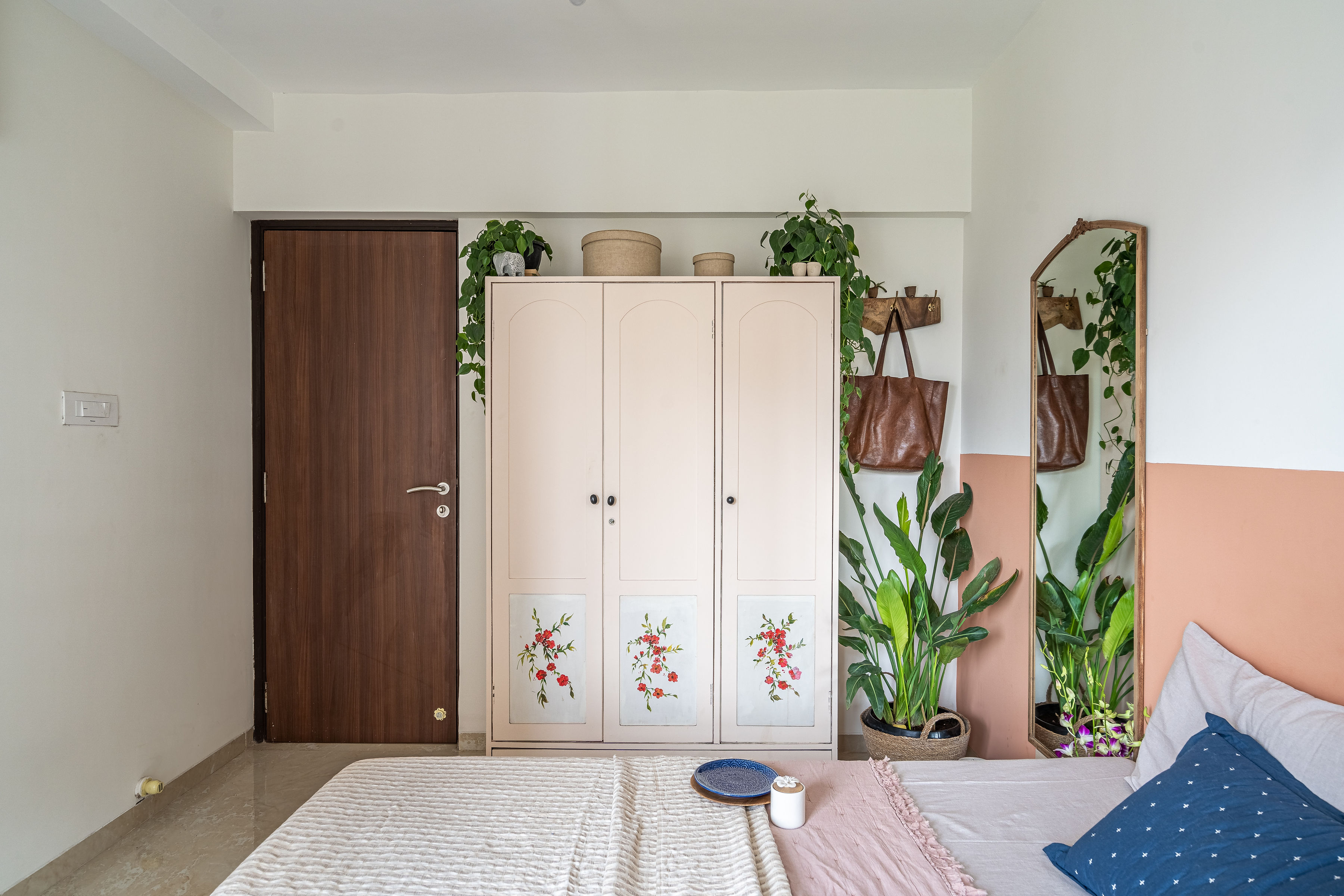
Full home space planning · Mulund, Mumbai
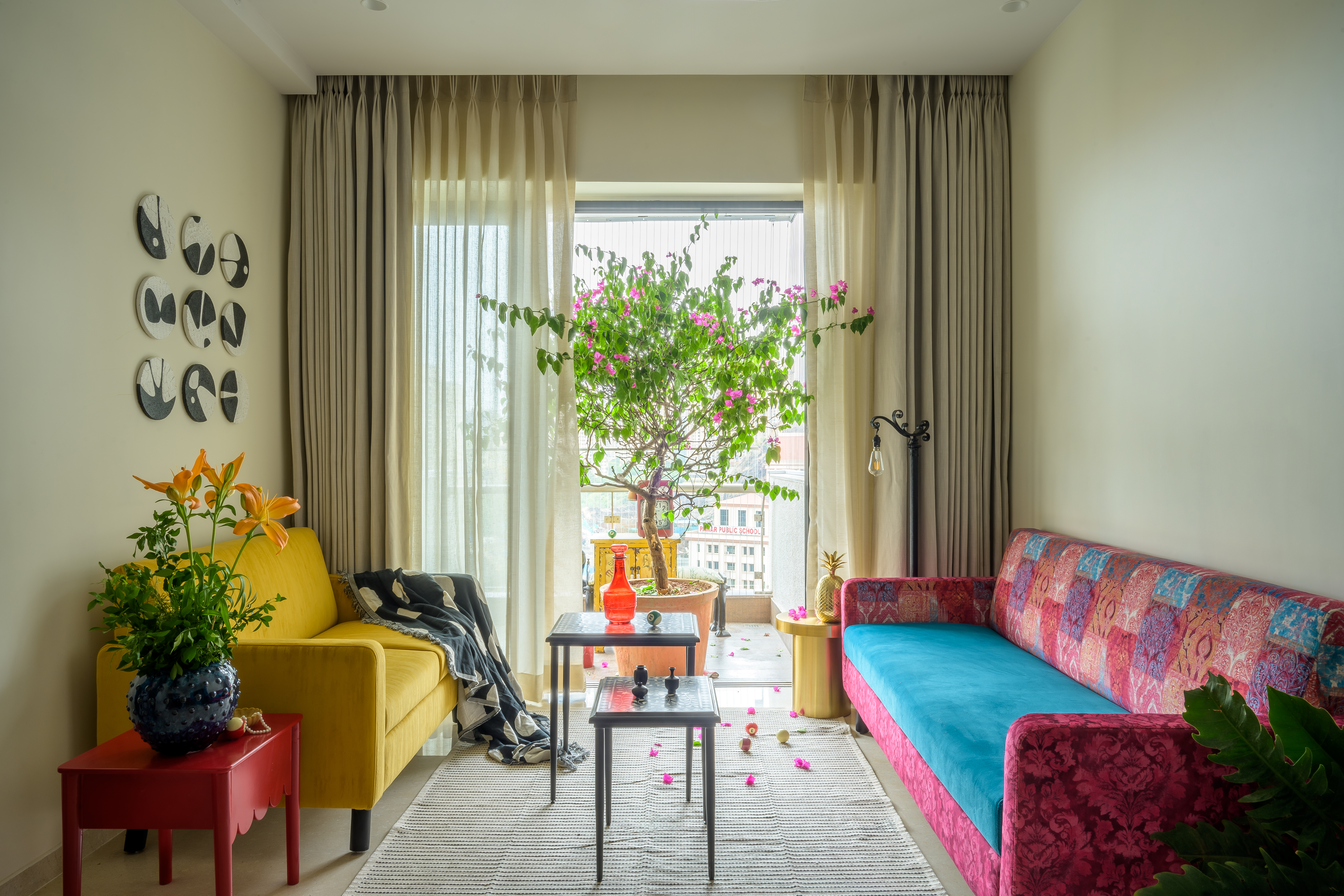
3BHK full home architecture · Powai, Mumbai

4BHK space planning & design · Powai, Mumbai
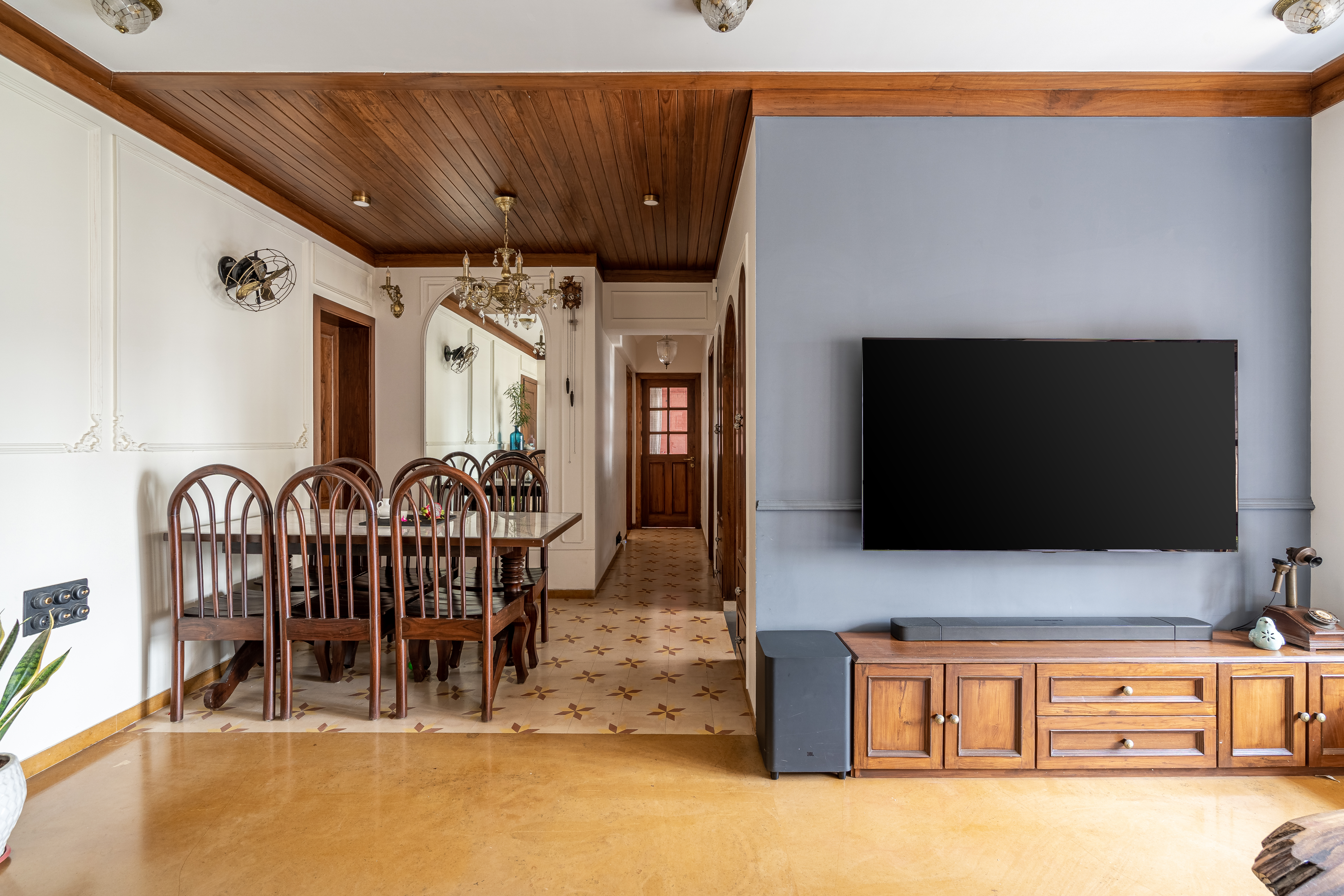
3BHK full home architecture · Powai, Mumbai
Every design decision resolved on paper before execution begins.
A rigorous design process that eliminates execution surprises.
What Mumbai homeowners ask before commissioning an interior architecture engagement.
For most Mumbai residential projects, the distinction is less important than the designer's actual capability. What matters is whether the professional can handle structural decisions (wall removals, MEP coordination, load-bearing assessments) alongside aesthetic ones. Rebel Dezignz is architect-trained and handles both — which is why our designs are buildable, not just beautiful. If your project involves significant structural changes, open-plan conversion, or layout rethinking of more than one room, you want someone with architecture training, not just an interior decorator.
Yes — but only after a structural assessment confirms the wall is non-load-bearing, or after a structural engineer confirms the safe method for modifying a load-bearing wall. We assess structural feasibility as part of the site survey before the design is developed. We do not propose wall removals without confirming structural safety first. Society approval and a structural engineer's clearance letter (where required by your building's society) are also coordinated as part of the process.
Our 3D renders are photorealistic representations of the designed space, produced to scale from the measured drawings. They show actual material colours, textures, furniture proportions, lighting effects, and room volumes. The finished space typically looks very close to the render — the primary variable is natural light, which shifts with time of day and season. We use renders as a decision-making tool, not just a sales tool. If you don't like something in the render, we change it in the design — not during execution when it is expensive to change.
Space planning is the process of deciding what goes where in your home — the placement of furniture, storage, circulation paths, and the boundaries between spaces. In Mumbai flats, where every square foot is valuable, good space planning can make a 2BHK feel like a 2.5BHK, or a compact kitchen feel genuinely workable. Poor space planning — which usually happens when furniture is bought without a plan, or when a designer retrofits storage around existing furniture — results in cramped traffic flows, awkward furniture angles, and wasted corners. We plan the space before we specify the furniture, not the other way around.
Our design fee — which covers the site survey, space planning, 3D renders, elevation drawings, material board, MEP layouts, and BOQ — is charged as a fixed design retainer that is discussed and agreed at the consultation. For clients who proceed with full execution, the design fee is typically credited against the project cost. We do not charge per-revision design fees — you receive as many design iterations as needed until you are completely satisfied with the design before approving execution.
Yes — managing society NOC requirements, submitting the required drawings and structural engineer letters to your society committee, and coordinating the approval process is part of our standard project management scope for structural modifications. Different building societies in Mumbai have varying requirements — some require only a standard NOC application, others require a structural engineer's certificate, and some older buildings have additional restrictions on demolition. Our team handles all of this directly with your society, so you don't have to navigate the paperwork alongside the design decisions.
Book a free 45-minute consultation. Bring your floor plan, your ideas, and your wish list — we will show you what is possible.